
International Research School of Planetary Science
and
IRSPS
A not-for-profit University Foundation and its spin-off
both devoted to the exploration of Earth and Space
The Earth and the Solar System as Natural Laboratories for Planetary Evolution
The study, investigation, and exploration of our planet are deeply rooted in our hearts and minds. This yearning drove the first Homo sapiens to leave the lands of Africa and spread across the entire Earth. After about 100,000 years, we are still here, gazing at the planets of the Solar System and seeking ways to reach them. We are the same species that crossed the Red Sea, the Mediterranean, and the Bering Strait. Our hopes, our dreams, and our wisdom are the same, and they drive us to risk our lives to reach remote and unexplored horizons.
At the International Research School of Planetary Sciences and at IRSPS srl, we celebrate this remarkable ingenuity that makes us tireless explorers of both land and science. We study the Earth and the planets, use technology to explore them, and venture beyond conventional paths.
We are geologists, geophysicists, astrobiologists, and explorers devoted to science and discovery. Through scientific research and higher education, we strive to share our knowledge and enthusiasm.
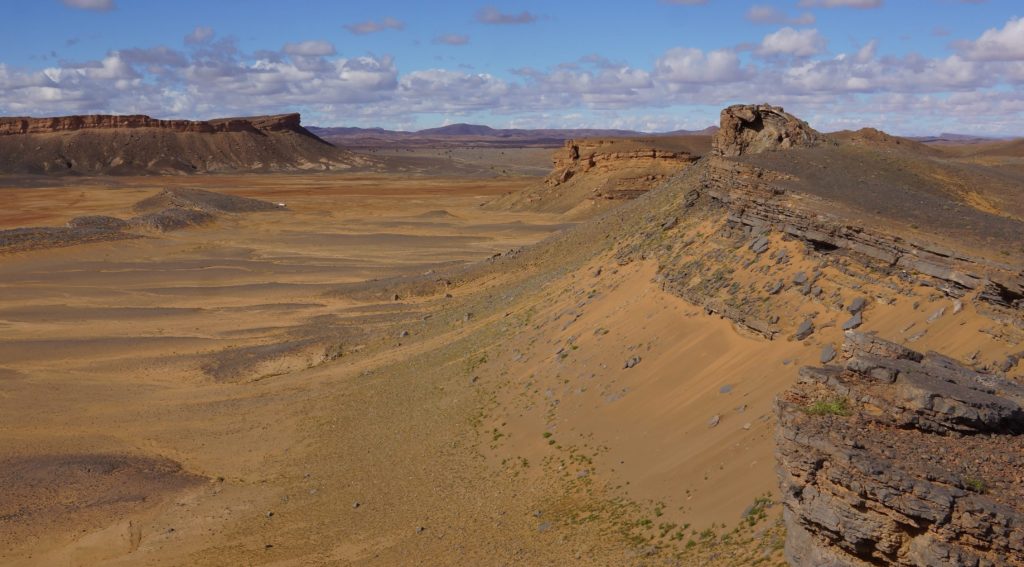
Our living Earth
Earth is an immense homeostatic system in which the different terrestrial spheres — the geosphere, atmosphere, biosphere, and hydrosphere — interact and collectively shape its evolution.
Our planet represents a single, vast, and ongoing experiment that has been unfolding for the past 4.5 billion years. We cannot replicate this experiment, but by investigating other planets within our Solar System and beyond, we can gain deeper insight into planetary processes and mechanisms.
Only through this comparative approach can we avoid a reductionist perspective and understand planets as integrated, holistic systems.
Global Changes
Within the intricate history of the Earth, change is the fundamental driver of co-evolution. Some changes are small and frequent, forming an almost continuous and gradual progression. Others are large, abrupt, and separated by vast intervals of time.
Detecting and understanding changes on Earth and other planets provides us with the key to anticipating our own future.

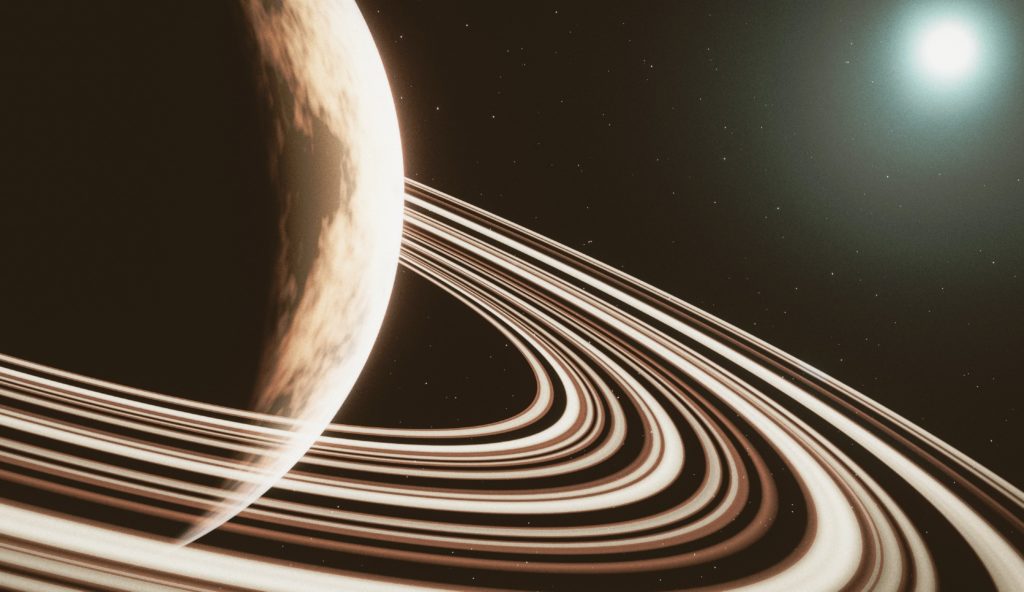
Planetary Exploration
In order to understand the co-evolution of the planets, it is necessary to explore them from orbiters and landers/rovers. For extensive and thorough investigations the data must be at high-resolution, collected in situ, and analysed by an impressive range of instruments.
Planets are the new frontier for many scientists who must cooperate with engineers to construct compelling exploration programmes
Mars and Moon Settlements
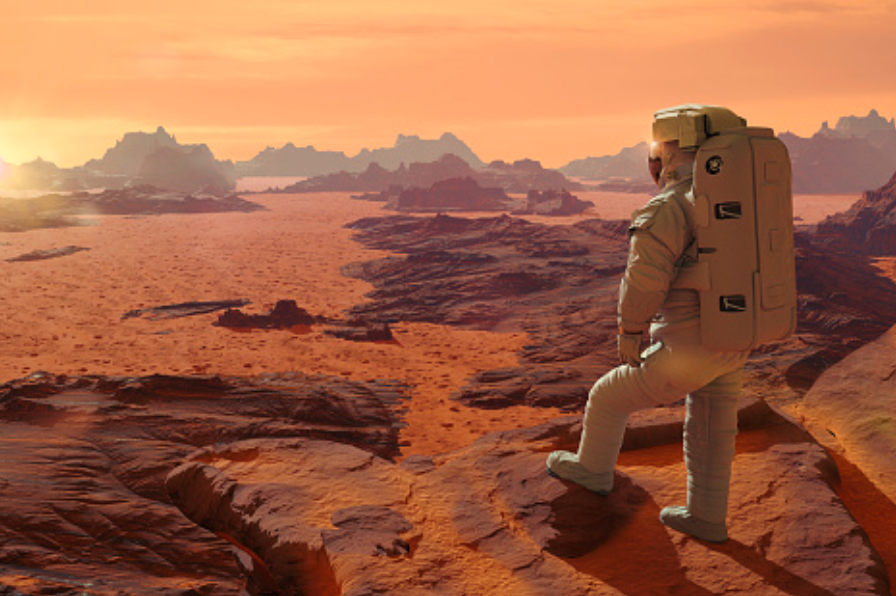
Human curiosity and ingenuity have never accepted boundaries. They will carry us beyond our cradle, toward new horizons in the Solar System — first to the Moon, and then onward to Mars. These worlds will not remain distant lights in our sky, but will become the next chapters in the human story.
Yet this expansion must be guided by wisdom as much as ambition. As we set foot on new planetary shores, we must do so as responsible explorers, not as conquerors. The Moon and Mars are not empty frontiers, but ancient worlds with their own histories written in stone and dust.
If we are to become a multiplanetary species, we must learn from the fragility of our own Earth — and ensure that our presence beyond it reflects respect, knowledge, and stewardship rather than exploitation.
Higher Education
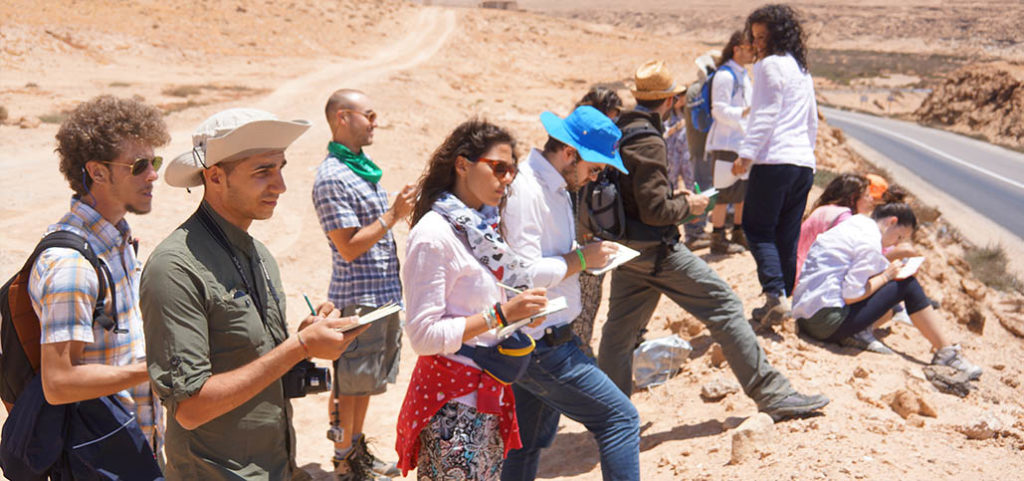
The International Research School of Planetary Sciences, together with Università d’Annunzio, is actively engaged in a number of higher education initiatives developed in partnership with the University of Trento, the University of Coimbra, Nantes Université, and the Universitat Politècnica de Catalunya.